

+918048070475

Currently it only shows your basic business info. Start adding relevant business details such as description, images and products or services to gain your customers attention by using Boost 360 android app / iOS App / web portal.

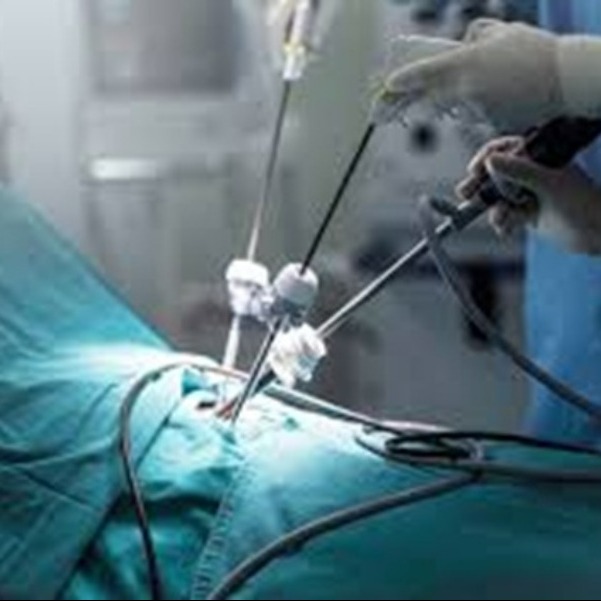
Fibroid and Cancer Surgery in Ratlam – Dr. Renu Sharma Are you experiencing heavy menstrual bleeding, persistent pelvic pain, irregular periods, abdominal discomfort, or other symptoms related to uterine fibroids or a gynecological condition? Finding the right gynecological specialist is essential to understanding the underlying cause of these symptoms and choosing the right treatment. If you're looking for fibroid and cancer surgery in Ratlam, Dr. Renu Sharma provides gynecological consultations and treatment guidance to women experiencing uterine and other reproductive health issues. Uterine fibroids are non-cancerous growths that form in or around the uterus. They can cause symptoms such as heavy menstrual bleeding, pelvic pressure, frequent urination, and reproductive problems. Although fibroids are usually benign, some symptoms require a medical examination to rule out other gynecological conditions, such as cancer. Gynecological cancers, such as uterine, cervical, and ovarian cancer, require specific diagnosis and treatment planning. Depending on the condition, treatment may include surgery, medication, chemotherapy, radiation therapy, or a combination of these methods. Dr. Renu Sharma focuses on evaluating women's gynecological health concerns and helping patients understand available treatment options. Whether you're looking for uterine fibroid treatment in Ratlam, gynecological surgery in Ratlam, or a cancer surgery consultation in Ratlam, a timely medical examination can help identify the right next steps. What are uterine fibroids? Uterine fibroids, medically known as leiomyomas or myomas, are non-cancerous growths that develop from the muscular tissue of the uterus. They can vary in size, number, and location. Some women may have small fibroids without any symptoms, while others may have numerous or large fibroids that affect their daily activities and reproductive health. Fibroids are common during the reproductive years and are influenced by many factors, including hormonal activity and genetic predisposition. Common Types of Uterine Fibroids 1. Intramural Fibroids These fibroids form inside the muscular wall of the uterus. They are among the most common types and may cause symptoms such as heavy periods, pelvic discomfort, or pressure. 2. Submucosal Fibroids These fibroids form beneath the inner lining of the uterus and protrude into the uterine cavity. Even relatively small submucosal fibroids can cause heavy menstrual bleeding and fertility problems. 3. Subserosal Fibroids These fibroids form on the outer surface of the uterus. Depending on their size and location, they may cause abdominal pressure, pelvic discomfort, or frequent urination. 4. Pedunculated Fibroids These fibroids are attached to the uterus by a thin stalk. They can form on the outer surface or inside the uterine cavity. The location, size, number, and symptoms of fibroids help determine the most appropriate treatment. Symptoms of Uterine Fibroids Women with uterine fibroids may experience different symptoms depending on the size and location of the growths. Some common symptoms include: * Heavy bleeding during periods. * Longer periods. * Painful periods. * Pelvic pain and pressure. * Lower abdominal discomfort. * Frequent urination. * Difficulty emptying the bladder. * Constipation or abdominal pressure. * Pain during sex. * Lower back pain. * Abdominal enlargement. * Difficulty conceiving in some cases. Not all women with fibroids experience symptoms. Some fibroids are discovered accidentally during a routine ultrasound exam. Important: Signs of heavy bleeding, fainting, severe pelvic pain, or severe anemia require immediate medical attention. When is fibroid surgery needed? Not every uterine fibroid requires surgery. Many women can be managed with regular monitoring, medication, or other non-surgical treatments. However, when fibroids cause severe symptoms or complications, surgery may be recommended. A gynecologist may consider surgical treatment in the following situations: 1. Heavy menstrual bleeding Large or well-located fibroids can cause heavy menstrual bleeding, leading to iron deficiency anemia. 2. Persistent pelvic pain Fibroids can cause pelvic discomfort, pressure, or pain, interfering with daily activities. 3. Large fibroids Large fibroids can put pressure on nearby organs, including the bladder and bowel. 4. Fertility Concerns Some fibroids, especially those that obstruct the uterine cavity, may affect fertility or pregnancy outcomes. Treatment decisions depend on each individual's reproductive situation. 5. Failure of Medical Treatment When medication and other conservative treatments do not adequately control symptoms, surgery may be considered. 6. Rapidly Changing Symptoms or Undiagnosed Changes in symptoms or imaging results may require further testing. Growth alone does not determine whether a fibroid is cancerous, but accurate testing is essential. Types of Fibroid Surgery The type of surgery depends on the size, number, location, symptoms, age, overall health, and future pregnancy plans. 1. Myomectomy Surgery Myomectomy is a surgical procedure that removes uterine fibroids while preserving the uterus. It may be considered for women who wish to retain their uterus or are planning a future pregnancy. Various approaches include: * Abdominal myomectomy * Laparoscopic myomectomy. * Hysteroscopic myomectomy. The appropriate approach depends on the characteristics of the fibroid and the surgeon's assessment. 2. Laparoscopic Fibroid Surgery Laparoscopic surgery is a minimally invasive surgical procedure performed through small incisions in the abdomen, using a camera and specialized instruments. Depending on the patient's condition, laparoscopic myomectomy may be an option for the removal of selected uterine fibroids. Potential advantages over open surgery include: * Smaller surgical incisions. * Less postoperative discomfort in appropriate cases. * Shorter hospital stays in many cases. * Faster recovery for appropriately selected patients. Not every fibroid is suitable for laparoscopic removal. 3. Hysteroscopic Myomectomy Hysteroscopic myomectomy is used for selective fibroids that have protruded into the uterine cavity. A thin instrument called a hysteroscope is inserted through the vagina and cervix, allowing the surgeon to view and remove the fibroid without making an abdominal incision. 4. Hysterectomy Surgery Hysterectomy involves the surgical removal of the uterus. It may be recommended for women with severe fibroid-related symptoms who do not wish to preserve their uterus, or when other treatment options are not suitable. This decision depends on each individual's medical condition and patient preferences. Understanding Gynecological Cancer Gynecological cancers occur in various parts of the female reproductive system. These conditions require proper screening, accurate diagnosis, and treatment planning. Cancer is different from uterine fibroids. Most uterine fibroids are benign and do not develop into cancer. A rare form of uterine cancer called leiomyosarcoma can develop in the uterine muscle, but it is usually considered a separate disease rather than a cancer of fibroids. Women experiencing abnormal bleeding, persistent pelvic symptoms, or other worrisome changes should seek medical attention. Types of Gynecological Cancer 1. Uterus Cancer Uterine cancer occurs in the uterus, most often in the endometrium, the inner lining of the uterus. Common warning signs include: * Abnormal vaginal bleeding. * Bleeding after menopause. * Strange vaginal discharge. * Pelvic pain. * Persistent lower abdominal discomfort. Bleeding after menopause should always be medically evaluated, even if it occurs only once. 2. Cervical Cancer Cervical cancer occurs in the cervix, the lower part of the uterus connected to the vagina. Persistent infection with high-risk types of human papillomavirus (HPV) is the main cause of almost all cervical cancers. Possible symptoms include: * Bleeding after sexual intercourse. * Bleeding between periods. * Bleeding after menopause. * Strange vaginal discharge. * Pelvic pain. * Pain during sexual intercourse. HPV vaccination and appropriate cervical screening can help prevent cervical cancer or detect precancerous changes. 3. Ovarian Cancer Ovarian cancer occurs in the ovaries or adjacent tissues. Possible symptoms include: * Persistent abdominal bloating. * Pelvic discomfort. * Feeling full quickly after eating. * Changes in bowel habits. * Frequent urination. * Unexplained abdominal swelling. Persistent or unusual symptoms should be evaluated by a qualified medical professional. 4. Endometrial Cancer Endometrial cancer occurs in the lining of the uterus. Vaginal bleeding, especially after menopause, is a significant warning sign and warrants investigation. 5. Uterine Sarcoma Uterine sarcoma is a rare cancer that occurs in the muscle or supporting tissue of the uterus. Special testing is required for diagnosis and treatment. Why Choose Dr. Renu Sharma for Fibroid and Gynecological Cancer Consultation in Ratlam? Choosing the right gynecological specialist is an important step in managing reproductive health issues. Dr. Renu Sharma provides consultations for women's health problems, including gynecological issues that may require further investigation or surgical treatment. Patients seeking fibroid treatment and cancer surgery consultations in Ratlam can seek medical advice to understand their symptoms and available treatment options. Essential aspects of gynecological care include: * Detailed assessment of menstrual history. * Evaluation of abnormal uterine bleeding. * Assessment of pelvic pain and discomfort. * Review of ultrasound and other test results. * Evaluation of uterine fibroids. * Discussion of medical and surgical treatment options. * Assessment of reproductive health concerns. * Guidance regarding further specialist consultations. * Suggestions for follow-up after treatment. If gynecological cancer is suspected, appropriate referral to a gynecological oncologist and a multidisciplinary cancer care team is essential. Treatment decisions should be based on the patient's diagnosis, medical history, test results, and personal preferences. Benefits of Early Diagnosis and Timely Treatment Early diagnosis of gynecological symptoms can help women understand their condition and avoid unnecessary delays in treatment. Some key benefits include: * Identification of the underlying cause of symptoms. * Timely diagnosis of symptomatic fibroids. * Proper management of heavy menstrual bleeding. * Early diagnosis of abnormal uterine bleeding. * Identification of suspected gynecological conditions. * Better-informed treatment decisions. * Where appropriate, appropriate treatment planning that preserves fertility. * Timely referral for specialized cancer care. It's important to remember that not all fibroids require surgery, and not every abnormal uterine symptom indicates cancer. Accurate diagnosis is crucial. Consult Dr. Renu Sharma for fibroid and cancer surgery in Ratlam. Women's reproductive health requires timely attention, accurate diagnosis, and appropriate medical care. Uterine fibroids, abnormal menstrual bleeding, pelvic pain, and gynecological cancer require different treatment approaches. Understanding the condition is the first step toward choosing the right medical management. If you're looking for fibroid surgery in Ratlam, uterine fibroid treatment in Ratlam, or gynecological cancer consultation in Ratlam, Dr. Renu Sharma can help evaluate your concerns and guide you to the right diagnostic and treatment options. Whether you're experiencing heavy menstrual bleeding, have been diagnosed with uterine fibroids, or need to investigate a suspected gynecological condition, timely consultation is crucial. Book a gynecological consultation with Dr. Renu Sharma in Ratlam and take a conscious step towards better women's health. Frequently Asked Questions (FAQs) Q1. What is uterine fibroid surgery? Uterine fibroid surgery involves removing the fibroids, or in some cases, removing the uterus. This process depends on the number, size, and location of the fibroids, symptoms, and the patient's future pregnancy plans. Q2. Where can I consult for fibroid treatment in Ratlam? Women seeking uterine fibroid treatment in Ratlam can consult Dr. Renu Sharma for a gynecological examination and guidance on appropriate diagnostic tests and treatment options. Q3. Are uterine fibroids cancerous? Most uterine fibroids are benign, meaning they are not cancerous. A rare uterine cancer called leiomyosarcoma is a separate condition and is not generally considered to be caused by common fibroids. Q4. What are the common symptoms of uterine fibroids? Common symptoms include heavy bleeding, prolonged periods, pelvic pain, abdominal pressure, frequent urination, lower back pain, and sometimes fertility problems. Q5. When is surgery necessary for uterine fibroids? Surgery may be considered when fibroids cause excessive bleeding, persistent pain, pressure symptoms, fertility problems, or when other treatments are ineffective or ineffective. Q6. What is the difference between a myomectomy and a hysterectomy? A myomectomy removes uterine fibroids, while the uterus is preserved. A hysterectomy removes the uterus. The exact procedure depends on the patient's symptoms, medical conditions, and reproductive preferences. Q7. Can uterine fibroids affect pregnancy? Some fibroids, especially those that obstruct the uterine cavity, may affect fertility, implantation, or pregnancy outcomes. The effect depends on their size, location, and number. Q8. Is laparoscopic fibroid surgery possible? Yes. Laparoscopic myomectomy may be appropriate for some patients. It uses small incisions in the abdomen and special instruments to remove the fibroids while sparing the uterus. Q9. What is gynecological cancer surgery? Gynecological cancer surgery involves the surgical treatment of cancer affecting the female reproductive system, including the uterus, cervix, and ovaries. The procedure depends on the type and stage of the cancer. Q10. What are the warning signs of uterine cancer? Abnormal vaginal bleeding, especially after menopause, is an important warning sign. Other symptoms may include abnormal discharge, pelvic pain, and persistent abdominal discomfort. Fibroid Surgery in Ratlam Fibroid Treatment in Ratlam Uterine Fibroid Treatment in Ratlam Fibroid Doctor in Ratlam Fibroid Specialist in Ratlam Gynecological Cancer Surgery in Ratlam Cancer Surgery for Women in Ratlam Gynecologist in Ratlam Uterus Surgery in Ratlam Dr. Renu Sharma Ratlam Uterine Fibroid Removal Surgery Laparoscopic Fibroid Surgery in Ratlam Myomectomy Surgery in Ratlam Hysterectomy Surgery in Ratlam Uterine Cancer Treatment in Ratlam Cervical Cancer Treatment in Ratlam


