

+918048070475

Currently it only shows your basic business info. Start adding relevant business details such as description, images and products or services to gain your customers attention by using Boost 360 android app / iOS App / web portal.

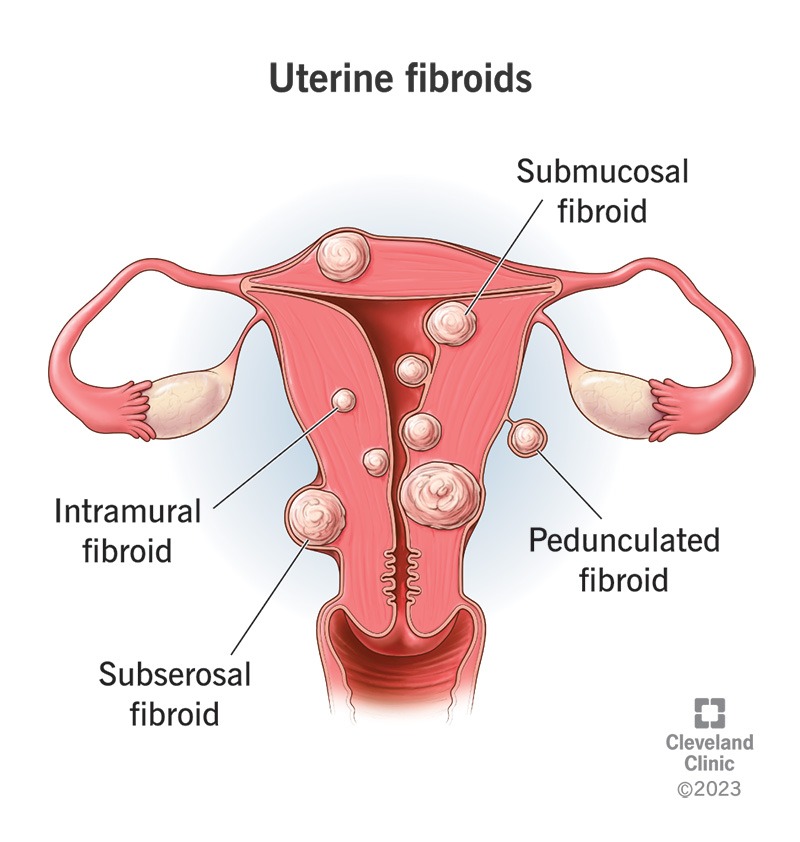
Fibroid and Uterine Cancer Surgery in Dewas – Dr. Renu Sharma Expert Consultation for Uterine Fibroids, Abnormal Uterine Bleeding, and Gynecological Cancer Care Women's reproductive health plays a vital role in overall health. Conditions like uterine fibroids and uterine cancer can affect menstrual health, cause pelvic discomfort, and sometimes require specialized medical evaluation and surgical treatment. Recognizing unusual symptoms and seeking timely medical advice can help women understand their condition and find the right treatment options. If you are looking for fibroid and cancer surgery in Dewas, consulting with a qualified specialist is an important step in understanding your diagnosis and treatment options. Dr. Renu Sharma specializes in women's cancer healthcare and can be contacted for a consultation regarding gynecological health concerns, once her current clinical specialties and services are confirmed. Uterine fibroids and uterine cancer are different medical conditions. Fibroids are typically non-cancerous growths in or around the uterus, while uterine cancer involves malignant cells in the uterine lining or other uterine tissues. Both conditions require a proper diagnosis and a personalized treatment plan. This page explains the symptoms, diagnosis, treatment methods, and surgical options associated with uterine fibroids and uterine cancer. Fibroid and Uterine Cancer Treatment in Dewas Women experiencing heavy menstrual bleeding, prolonged periods, pelvic pressure, abdominal discomfort, or abnormal vaginal bleeding should not ignore these symptoms. Some symptoms may be related to uterine fibroids, while others may indicate a different gynecological condition that requires medical investigation. A specialist examination can help determine the underlying cause and determine whether medication, monitoring, surgery, or further cancer-related treatment is needed. Women seeking fibroid or uterine cancer surgery in Dewas should understand that the right procedure depends on several factors, including: * The type of uterine condition. * The size, number, and location of the fibroids. * Whether the condition is benign or malignant. * The patient's age and overall health. * Menstrual and reproductive history. * Whether the patient wishes to maintain fertility. * If cancer is detected, its stage and type. A treatment plan should always be based on a medical examination and accurate diagnostic testing. What are uterine fibroids? Uterine fibroids, also called leiomyomas or myomas, are non-cancerous growths that develop in or around the uterus. They are made of muscle and connective tissue and can vary in size and number. Some women have small fibroids without any specific symptoms, while others may experience heavy menstrual bleeding, pelvic pressure, frequent urination, or discomfort. Fibroids are not the same as uterine cancer. Most uterine fibroids are benign and do not develop into cancer. Common Types of Uterine Fibroids The location of the fibroid within or around the uterus helps determine its type. 1. Intramural Fibroids These develop within the muscular wall of the uterus. These can increase the size of the uterus and sometimes cause heavy menstrual bleeding or pelvic discomfort. 2. Submucosal Fibroids These form beneath the inner lining of the uterus and can extend into the uterine cavity. They may be associated with heavy menstrual bleeding and, in some cases, fertility problems. 3. Subserosal Fibroids These grow toward the outer surface of the uterus. Depending on their size and location, they can put pressure on nearby organs. 4. Pedunculated Fibroids These fibroids grow on a stalk-like structure attached to the uterus. They can form on the outer surface or inside the uterine cavity. Identifying the type and location of the fibroid is important for choosing the right treatment. Symptoms of Uterine Fibroids The symptoms of uterine fibroids vary from woman to woman. Some women may not experience any symptoms, but fibroids may be detected during a routine checkup. Common symptoms include: * Heavy menstrual bleeding. * Periods lasting longer than usual. * Pelvic pain or pressure. * Discomfort in the lower abdomen. * Frequent urination. * Difficulty emptying the bladder. * Constipation or pressure in the rectal area. * Pain during sex. * Abdominal enlargement in some cases. * Symptoms associated with anemia due to prolonged heavy bleeding. Women who experience persistent or excessive bleeding should consult a healthcare professional for evaluation. What is uterine cancer? Uterine cancer refers to cancer that occurs in the tissues of the uterus. The most common form is endometrial cancer, which begins in the lining of the uterus, called the endometrium. Another, less common type is uterine sarcoma, which occurs in the muscle or supporting tissue of the uterus. Uterine cancer is different from uterine fibroids. Fibroids are usually benign growths, but cancer involves abnormal malignant cell growth and requires special evaluation and treatment. Early medical attention is important for abnormal vaginal bleeding, especially after menopause. Common symptoms of uterine cancer Symptoms can vary depending on the type and stage of cancer. Some warning signs include: * Vaginal bleeding after menopause. * Abnormal bleeding between periods. * Heavy or prolonged menstrual bleeding. * Watery or blood-stained vaginal discharge. * Persistent pelvic pain. * Pain or discomfort during sex. * Unexplained changes in menstrual patterns. These symptoms do not necessarily mean a woman has cancer. However, they should be evaluated by a qualified medical professional. Important: Any vaginal bleeding after menopause should be medically evaluated, even if it occurs only once. When is fibroid surgery needed? Not every uterine fibroid requires surgery. Small, asymptomatic fibroids may only require periodic monitoring. Surgical treatment may be considered when fibroids cause severe symptoms or complications. A specialist may discuss surgery if: * Heavy menstrual bleeding that interferes with daily life. * Persistent pelvic pain or pressure. * Discomfort from large fibroids. * Pressure on the bladder or bowel. * Certain fertility concerns. * Symptoms that do not respond to appropriate medical treatment. * Uncertainty about the type of uterine growth. This decision depends on the patient's symptoms, age, reproductive plans, and overall medical condition. Types of Fibroid Surgery Various surgical procedures are available to treat uterine fibroids. The appropriate procedure depends on the size, location, number, and health goals of the fibroids. 1. Myomectomy Surgery Myomectomy is a surgical procedure that removes fibroids while sparing the uterus. It may be considered for women who wish to retain their uterus or are planning a future pregnancy. Depending on the location and size of the fibroids, myomectomy can be performed using different surgical methods. Potential benefits include: * Removal of selected fibroids. * Preservation of the uterus. * Possible improvement in fibroid-related symptoms. * An option for selected women with fertility concerns. However, fibroids can sometimes recur after surgery, and pregnancy outcomes depend on many factors. 2. Hysteroscopic Myomectomy Hysteroscopic myomectomy is used for certain fibroids that grow in the uterine cavity. A hysteroscope is inserted through the vagina and cervix into the uterus. Special instruments are then used to remove the intact fibroid tissue. This method does not require an abdominal incision. 3. Laparoscopic Myomectomy Laparoscopic myomectomy is a minimally invasive surgical procedure used for certain fibroids. The surgeon uses special instruments and a camera through small incisions in the abdomen to remove the fibroids. How effective it is depends on the number, size, and location of the fibroids, as well as the surgeon's assessment. 4. Abdominal Myomectomy In some cases, an open surgical approach may be recommended to remove fibroids, especially if they are large, numerous, or technically unsuitable for minimally invasive surgery. This approach is chosen based on the patient's individual condition. 5. Hysterectomy for Fibroids A hysterectomy is a procedure to surgically remove the uterus. It may be considered for select women who have severe symptoms related to fibroids and who do not wish to keep their uterus or do not want to become pregnant in the future. Not every fibroid case requires a hysterectomy. The benefits, risks, and alternatives should be carefully discussed before making any decision. What is uterine cancer surgery? Uterine cancer surgery is a specialized treatment method used for certain patients with uterine cancer. The surgical plan depends on the type of cancer, stage, extent of the disease, general health, and treatment goals. For many patients with endometrial cancer, surgery is a necessary part of treatment. 1. Total Hysterectomy A total hysterectomy involves the removal of the uterus and cervix. It is commonly included in the surgical management of certain patients with uterine cancer. 2. Hysterectomy with removal of the fallopian tubes and ovaries Depending on the cancer diagnosis and the individual patient's treatment plan, surgery may also involve the removal of both the fallopian tubes and ovaries. This decision depends on the type of cancer, stage, age, and other clinical factors. 3. Lymph Node Assessment In certain uterine cancer cases, lymph nodes may be examined to determine whether the cancer has spread beyond the uterus. This may include sentinel lymph node mapping, removal of selected lymph nodes, or other staging procedures, depending on the case. 4. Minimally Invasive Cancer Surgery For appropriate patients, cancer surgery may be performed using laparoscopic or robotic-assisted techniques, depending on the clinical indication and available expertise. Safe and accurate cancer treatment should be prioritized when choosing a surgical approach. Recovery after fibroid or uterine cancer surgery Recovery depends on the surgical procedure, the patient's general health, and whether additional treatment is needed. Recovery after fibroid surgery After a myomectomy or other fibroid procedures, recovery may include: * Following the surgeon's instructions regarding rest and movement. * Taking prescribed medication. * Maintaining proper wound hygiene. * Attending follow-up appointments. * Gradually returning to daily activities. * Following medical advice regarding future pregnancy planning. Recovery After Uterine Cancer Surgery Recovery after cancer surgery may include: * Postoperative monitoring. * Pain and wound management. * Gradual resumption of movement and physical activity. * Follow-up examinations. * Review of final histopathology results. * Additional cancer treatment, if recommended. Patients should contact their treatment team if they experience fever, excessive bleeding, worsening abdominal pain, wound discharge, difficulty breathing, or other worrisome symptoms. Fibroid and Cancer Surgery in Dewas – Consultation with Dr. Renu Sharma Women seeking fibroid and cancer surgery in Dewas often need reliable information, accurate evaluation, and guidance about available treatment options. Dr. Renu Sharma is the featured doctor on this page. Women experiencing symptoms such as abnormal uterine bleeding, pelvic discomfort, or suspected gynecological cancer should consult a qualified specialist. Depending on the final diagnosis, appropriate treatment may include observation, medication, fibroid removal, hysterectomy, or specialized cancer treatment. Before surgery, patients should understand their condition, available options, expected benefits, possible complications, and follow-up requirements. If you're experiencing unusual menstrual bleeding, pelvic discomfort, or have been diagnosed with uterine fibroids, seek medical advice promptly. Early diagnosis can help you understand your condition and make informed treatment decisions. Frequently Asked Questions (FAQs) 1. What is the difference between uterine fibroids and uterine cancer? Uterine fibroids are typically non-cancerous growths made of muscle and connective tissue. Uterine cancer involves malignant cells in the uterus. These are distinct conditions and require different diagnostic and treatment approaches. 2. Can uterine fibroids develop into cancer? Most uterine fibroids are benign and do not progress to cancer. Rare uterine sarcomas are a different type of malignancy and should not be mistaken for common fibroids. 3. Who should I consult for fibroid surgery in Dewas? You should consult a qualified gynecologist or a properly trained gynecological surgeon for fibroid evaluation. If cancer is suspected or confirmed, it is important to consult a gynecological oncologist. 4. What are the common symptoms of uterine fibroids? Common symptoms include heavy menstrual bleeding, prolonged periods, pelvic pain, lower abdominal pressure, frequent urination, and abdominal discomfort. Some women may not experience symptoms. 5. When is surgery necessary for uterine fibroids? Surgery may be considered when fibroids cause excessive bleeding, persistent pain, pressure symptoms, or other complications, or when medical management is ineffective or inadequate. 6. Can fibroids be removed without removing the uterus? Yes. Myomectomy is a procedure that removes fibroids while preserving the uterus. This may be appropriate for women who wish to retain their uterus, depending on their condition. 7. What is the difference between a myomectomy and a hysterectomy? A myomectomy removes the fibroids while leaving the uterus in place. A hysterectomy removes the uterus. This depends on symptoms, diagnosis, age, and reproductive preferences. 8. Is laparoscopic fibroid surgery possible? Laparoscopic myomectomy may be possible for some patients. This depends on the size, number, location of the fibroids, and the surgeon's assessment. 9. What are the warning signs of uterine cancer? Warning signs may include bleeding after menopause, abnormal vaginal bleeding, persistent pelvic pain, and blood-stained vaginal discharge. These symptoms require medical evaluation. 10. Is bleeding after menopause a serious concern? Yes. Any bleeding after menopause should be investigated by a healthcare professional. Although many minor illnesses can cause it, a diagnosis should rule out endometrial cancer. Fibroid Surgery in Dewas Fibroid Treatment in Dewas Uterine Fibroid Surgery in Dewas Fibroid Specialist in Dewas Uterine Cancer Surgery in Dewas Uterine Cancer Treatment in Dewas Gynaecological Cancer Treatment in Dewas Uterus Fibroid Treatment Uterine Fibroid Removal Surgery Myomectomy Surgery in Dewas Hysterectomy Surgery in Dewas Laparoscopic Fibroid Surgery Endometrial Cancer Treatment


