Hysterectomy Surgeons in Indore
Expert Guidance on Uterus Removal Surgery and Women's Health
Are you looking for a hysterectomy surgeon in Indore for professional advice on uterine health and treatment options? Dr. Renu Sharma is a starting point for women seeking medical advice about conditions affecting the uterus and exploring whether a hysterectomy might be an appropriate treatment.
A hysterectomy is a surgical procedure to remove the uterus. It may be recommended for certain gynecological conditions, including uterine fibroids, frequent heavy periods, adenomyosis, uterine prolapse, endometriosis in some cases, or certain gynecological cancers. The appropriate treatment depends on the diagnosis, severity of symptoms, medical history, age, and reproductive preferences.
For many women, persistent pelvic pain, unusually heavy periods, or lower abdominal pressure can impact daily activities and quality of life. A gynecological consultation can help diagnose the underlying cause, review available treatments, and explain the benefits and potential risks of surgery. Dr. Renu Sharma is a name to consider when seeking a hysterectomy consultation in Indore. Contact the clinic to confirm consultation availability, qualifications, hospital affiliations, and surgical services offered.
Choosing the right treatment starts with understanding your condition, discussing options, and making an informed decision with a qualified gynecologist.
What is hysterectomy surgery?
A hysterectomy is a surgical procedure that removes the uterus to treat certain gynecological conditions. Depending on the diagnosis, the procedure may involve removing only the uterus or additional reproductive structures if medically indicated.
Women may be advised to consider a hysterectomy when other treatments have not provided adequate relief or when surgery is the only recommended treatment for a serious condition. This decision should be based on a personal medical assessment and a discussion of available options. Dr. Renu Sharma's publicly listed professional profile identifies her as an obstetrician and gynecologist with an MBBS, MS (Obstetrics and Gynecology), FMAS, and fellowship training in gynecological oncology. Her listed areas of expertise include laparoscopic and gynecological cancer surgery.
Types of Hysterectomy Surgery
The correct surgical technique depends on the medical condition, size of the uterus, previous surgeries, overall health, and the surgeon's assessment.
1. Total Hysterectomy
A total hysterectomy involves the removal of the uterus and cervix. Depending on the clinical situation, it may be recommended for certain benign gynecological conditions or for specific cancer-related indications.
2. Subtotal or Supracervical Hysterectomy
In this procedure, the main body of the uterus is removed, leaving the cervix intact. Whether this approach is appropriate depends on the diagnosis and the patient's circumstances.
3. Laparoscopic Hysterectomy
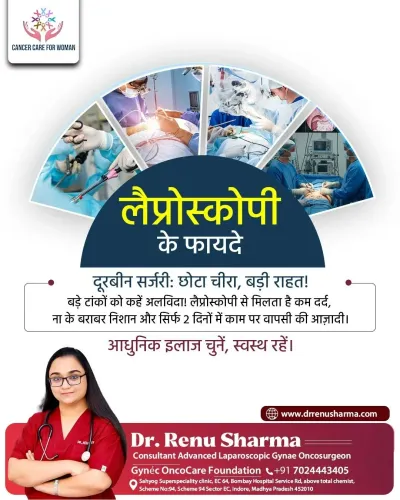
Laparoscopic surgery involves small abdominal incisions and the use of specialized instruments. For the right patients, minimally invasive methods may offer advantages over open surgery, such as smaller incisions and a shorter recovery time. Whether this is appropriate depends on various clinical factors.
4. Vaginal Hysterectomy
In a vaginal hysterectomy, the uterus is removed through the vagina without making an abdominal incision. This approach is appropriate for select patients, depending on the condition being treated and the surgical assessment.
5. Abdominal Hysterectomy
In an abdominal hysterectomy, the uterus is removed through an abdominal incision. This may be necessary in some complex cases or when other surgical methods are not suitable.
These images are for educational reference purposes and are not images of the actual procedure performed by Dr. Renu Sharma. The correct procedure and surgical approach should be determined after a medical examination.
Conditions that may require a hysterectomy
A hysterectomy is typically considered when a specific uterine or gynecological condition requires surgical treatment. Depending on the diagnosis, other treatments may also be available.
1. Uterine Fibroids
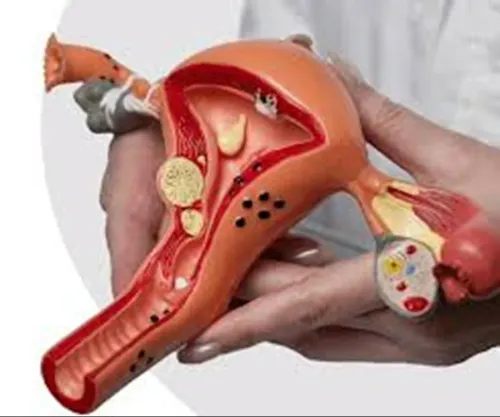
Uterine fibroids are non-cancerous growths that form in or around the uterus. Some fibroids cause heavy menstrual bleeding, pelvic pressure, pain, frequent urination, or other symptoms.
Treatment depends on the size, number, location, symptoms, and the patient's reproductive preferences. Options may include medication, uterine-sparing procedures, or, if necessary, a hysterectomy.
2. Excessive or Abnormal Uterine Bleeding
Persistent heavy menstrual bleeding can interfere with daily activities and lead to iron deficiency anemia. Depending on the symptoms, the diagnosis may include a medical history, examination, blood tests, ultrasound, or other tests.
Treatment options vary depending on the cause and may include medication, hormonal treatment, or surgical procedures. After proper diagnosis, a hysterectomy may be considered in some cases.
3. Adenomyosis
Adenomyosis occurs when tissue, similar to the lining of the uterus, grows within the muscular wall of the uterus. This can cause painful periods, excessive bleeding, and pelvic discomfort.
Treatment may include medication and other methods to control symptoms. A hysterectomy may be considered if symptoms are severe and other appropriate treatments are ineffective.
4. Endometriosis
Endometriosis occurs when tissue, similar to the lining of the uterus, grows outside the uterus. This can cause pelvic pain, period pain, and fertility problems.
Hysterectomy is not a universal cure for endometriosis because the disease can persist outside the uterus. Treatment should vary depending on the extent of the disease, symptoms, and reproductive goals.
5. Uterine Prolapse
Uterine prolapse occurs when the uterus moves down into the vaginal canal due to weakening of the pelvic support structures. Symptoms may include a feeling of pressure, vaginal bulge, or difficulty performing daily activities. Treatment may include pelvic floor exercises, a vaginal pessary, or surgery. In certain cases, a hysterectomy may be considered, sometimes combined with pelvic organ support procedures.
6. Gynecological Cancer
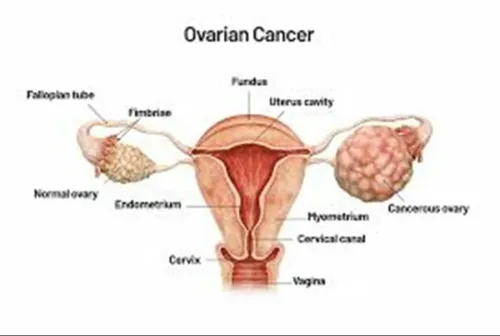
Some cancers involving the uterus or cervix may require a hysterectomy as part of cancer treatment. The type of surgery depends on the cancer diagnosis, stage, and treatment plan.
A gynecological oncologist can explain surgical options, potential additional treatments, risks, and expected recovery on a case-by-case basis.
Symptoms Not to Ignore
Women should consider a gynecological consultation if they experience persistent or unusual symptoms, including:
Bleeding during periods that is unusually heavy or prolonged.
Bleeding between periods or after menopause.
Persistent pelvic pain or pressure.
Severe cramps during periods that interfere with daily activities.
A feeling of heaviness or bulging in the vagina.
Recurrent symptoms associated with pre-existing uterine fibroids.
Unexplained fatigue, which may be related to anemia caused by blood loss.
These symptoms do not necessarily mean a hysterectomy is necessary. These can have many causes and require proper diagnosis.
Important: Any bleeding after menopause should be medically evaluated. Excessive bleeding accompanied by fainting, extreme weakness, shortness of breath, or severe pain requires immediate medical attention.
Why Choose Dr. Renu Sharma for a Hysterectomy Consultation?
Hysterectomy is a major surgical decision, so choosing a qualified gynecologist and understanding available options are important steps.
When consulting with Dr. Renu Sharma, patients can ask about these aspects of care:
Diagnosis and Investigations: Understanding the condition causing the symptoms.
Treatment Options: Reviewing medication, uterus-sparing treatments, and surgery if needed.
Surgical Approach: Discussing whether laparoscopic, vaginal, or abdominal surgery is appropriate.
Risks and Benefits: Understanding potential complications, recovery expectations, and possible outcomes. Fertility Considerations: Discussing reproductive plans before deciding on uterine removal.
Post-operative Planning: Understanding activity restrictions, follow-up appointments, and recovery support.
Dr. Renu Sharma's listed professional profile includes fellowship training in minimal access surgery and gynecological oncology, as well as experience with laparoscopic and robotic gynecological procedures. Patients should confirm specific procedures, hospital arrangements, and treatment plans during their consultation.
Frequently Asked Questions (FAQs)
1. Who is a hysterectomy surgeon in Indore?
Dr. Renu Sharma is a registered gynecologist and gynecological oncologist in Indore, professionally trained in laparoscopic and gynecological surgery. Contact her clinic to confirm consultation availability and the appropriate treatment options for your condition.
2. What is hysterectomy surgery?
Hysterectomy is surgery to remove the uterus. Depending on the medical indication, the cervix, fallopian tubes, or ovaries may also be removed, but these decisions are made individually based on the patient's needs.
3. When is a hysterectomy recommended?
It may be recommended in cases of uterine fibroids, severe bleeding, adenomyosis, uterine prolapse, or certain gynecological cancers. This decision depends on the diagnosis, severity of symptoms, alternative treatments, and patient preferences.
4. Is laparoscopic hysterectomy better than open surgery? For the right patients, laparoscopic surgery may require smaller incisions and a shorter recovery time than open surgery. However, not every patient is a suitable candidate. The safest approach depends on the condition, anatomy, previous surgeries, and the surgeon's assessment.
5. How long does recovery from a hysterectomy take?
Recovery varies depending on the surgical method and individual health. Some patients recover more quickly after minimally invasive procedures, while abdominal surgery may require a longer recovery time. Follow the treating surgeon's specific instructions.
6. Can fibroids be treated without a hysterectomy?
Yes. Depending on their size, location, symptoms, and the patient's goals, treatment may include medication, hormonal therapy, or uterus-sparing procedures. Hysterectomy is an option, not the only treatment.
7. Does a hysterectomy stop periods?
Yes. After the uterus is removed, periods stop, and pregnancy is no longer possible. If the ovaries remain, they can continue to produce hormones. If both ovaries are removed before natural menopause, surgical menopause occurs.
8. Are ovaries always removed during a hysterectomy?
No. Removing the ovaries is an individual decision based on factors such as age, medical history, cancer risk, and the reason for the surgery. Discuss the benefits and potential side effects before agreeing to surgery.
9. Is a hysterectomy a cure for endometriosis?
While this may be considered in some cases, a hysterectomy does not necessarily cure endometriosis, as the disease can persist outside the uterus. Treatment should be tailored to each individual's condition.
10. What are the risks of a hysterectomy?
Potential risks include bleeding, infection, blood clots, complications related to anesthesia, and injury to nearby organs. Individual risks depend on the patient's health and the procedure. Discuss these with the treating surgeon.
Hysterectomy Surgeon in Indore
Best Hysterectomy Surgeon in Indore
Hysterectomy Doctor Indore
Uterus Removal Surgery in Indore
Dr. Renu Sharma Gynecologist
Laparoscopic Hysterectomy in Indore
Gynecologist in Indore
Uterus Removal Specialist
Laparoscopic Gynecological Surgeon
Vaginal Hysterectomy
Total Hysterectomy
Uterine Fibroid Treatment
Abnormal Uterine Bleeding Treatment
Adenomyosis Treatment
Uterine Prolapse Treatment
Gynecologic Oncologist in Indore
Hysterectomy Consultation in Indore
Best Doctor for Uterus Removal Surgery in Indore
Laparoscopic Hysterectomy Surgeon in Indore
Hysterectomy for Uterine Fibroids in Indore
Treatment for Heavy Menstrual Bleeding in Indore
Gynecologist for Hysterectomy Consultation
Hysterectomy Recovery and Treatment Consultation Indore
Keywords