Ovarian Cyst Treatment in Kasrawad – Dr. Renu Sharma
Expert Guidance on Diagnosis and Treatment of Ovarian Cysts
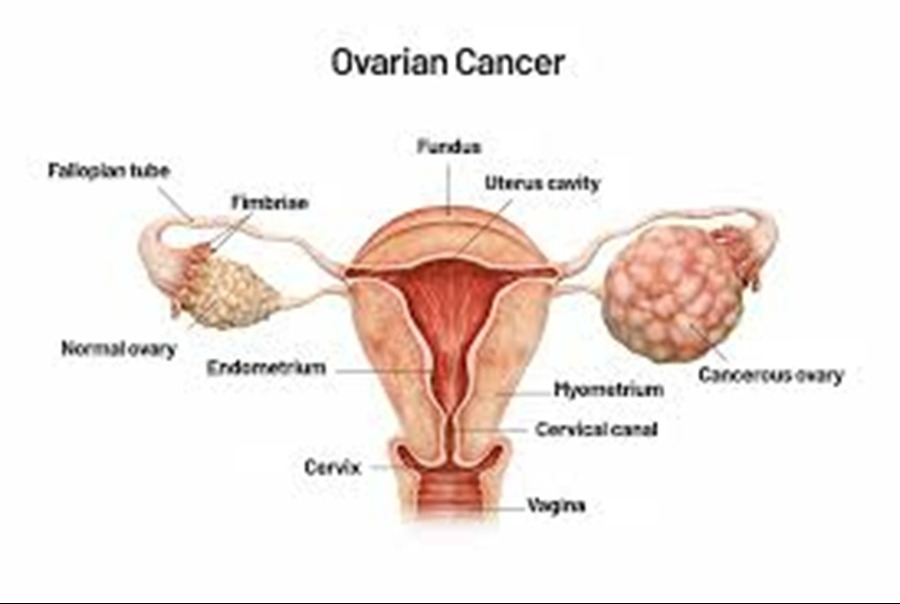
Are you looking for ovarian cyst treatment in Kasrawad? Ovarian cysts are water-filled sacs that form in or on the ovaries. They are quite common and can occur at different stages of a woman's reproductive life. While many ovarian cysts are harmless and resolve on their own, some may require medical monitoring, medication for associated symptoms, or surgical intervention.
Women experiencing lower abdominal pain, pelvic discomfort, irregular periods, bloating, or other unusual symptoms should consult a qualified gynecologist for a proper diagnosis.
Dr. Renu Sharma, a consultant gynecologist and gynecological oncosurgeon in Indore, provides guidance on the diagnosis and treatment of various gynecological conditions, including ovarian cysts. Women in Kasrawad and surrounding areas can inquire about arranging a consultation at their preferred Indore location. The appropriate treatment depends on the cyst's size, type, ultrasound appearance, symptoms, age, medical history, and reproductive plans. Early diagnosis can help diagnose the condition and determine whether monitoring or further treatment is appropriate.
What is an ovarian cyst?
An ovarian cyst is a sac or pouch containing fluid or other material that forms in or on the ovaries. The ovaries are reproductive organs responsible for releasing eggs and producing hormones such as estrogen and progesterone.
Ovarian cysts can form for a variety of reasons. Many are associated with normal menstruation and disappear without treatment. Others may persist, grow, or cause problems and may require medical attention.
Most ovarian cysts are benign (non-cancerous), but some may require further testing to determine their nature.
Common Types of Ovarian Cysts
It is important to understand the type of cyst because treatment recommendations may vary.
1. Functional Ovarian Cysts
These are usually associated with periods. These include follicular cysts and corpus luteum cysts. Many resolve on their own over time.
2. Dermoid Cysts
Also called mature cystic teratomas, these can contain various types of tissue. Their size, symptoms, and imaging features help determine appropriate management.
3. Endometriomas
These cysts are associated with endometriosis and may contain old blood. They can be associated with pelvic pain, painful periods, and fertility concerns.
4. Cystadenomas
These form from cells on the surface of the ovaries. They may contain watery or mucus-like fluid and can sometimes grow larger.
5. Complex Ovarian Cysts
A complex cyst may have solid areas, internal structures, or multiple compartments. This does not automatically indicate cancer, but may require more detailed testing based on its ultrasound features and the patient's medical history.
Symptoms of Ovarian Cysts
Some women with ovarian cysts do not experience any specific symptoms. Cysts may be detected during a routine pelvic exam or an ultrasound performed for other reasons.
When symptoms do appear, they may include:
* Pain in the lower abdomen or pelvic area.
* Pain on one side of the lower abdomen.
* Bloating or bloating.
* A feeling of heaviness in the pelvic area.
* Pain during sex.
* Frequent urination due to pressure on the bladder.
* Difficulty passing stool.
* Changes in menstrual patterns.
* Feeling full quickly when eating.
Symptoms vary depending on the size, type, and associated problems of the cyst.
IMPORTANT: Sudden, severe pelvic or abdominal pain, especially accompanied by nausea, vomiting, dizziness, fainting, or fever, requires immediate medical attention. These symptoms may indicate problems such as ovarian torsion or cyst rupture. Do not wait for a regular appointment.
Causes and Risk Factors for Ovarian Cysts
Ovarian cysts can occur for a variety of reasons. Some are related to normal hormonal changes that occur during menstruation, while others may be associated with underlying gynecological conditions.
Potential causes and associated conditions include:
* Changes in normal ovulation and menstrual cycles.
* Hormonal changes.
* Endometriosis.
* Previous ovarian cysts.
* Some benign ovarian growths.
* In some cases, changes related to pregnancy.
Not every ovarian cyst has an identifiable cause. A medical examination can help determine whether further investigation is needed.
Diagnosis of Ovarian Cysts
A correct diagnosis is essential before treatment can be determined. Dr. Renu Sharma's official clinical profile lists ovarian cysts as one of the gynecological conditions she treats.
Depending on the symptoms and clinical findings, the examination may include:
1. Medical History
The doctor may ask about periods, pelvic pain, previous cysts, pregnancy history, family history, and other health conditions.
2. Gynecological Examination
When clinically appropriate, a pelvic examination may be recommended to assess symptoms and identify potential abnormalities.
3. Pelvic Ultrasound
Ultrasound is an important test for ovarian cyst diagnosis. It can help determine:
* The size of the cyst.
* Location.
* Shape and texture.
* Water-filled or solid contents.
* Internal features.
* Changes during follow-up. Depending on the patient's condition and clinical relevance, a transabdominal or transvaginal ultrasound may be recommended.
4. Blood Tests
Certain blood tests may be recommended based on ultrasound results, age, and medical history. CA-125 is a marker that may be considered in certain cases.
An elevated CA-125 level does not automatically indicate ovarian cancer. It can also be elevated in many non-cancerous conditions. The doctor should interpret the results in conjunction with clinical and imaging findings.
5. Further Testing
When a cyst raises concerns or initial findings are unclear, further imaging or specialist evaluation may be recommended.
Ovarian Cyst Treatment Options
No single treatment is appropriate for every ovarian cyst. The management plan depends on the cyst's appearance, size, symptoms, age, menopausal status, and reproductive goals.
1. Watchful waiting and follow-up
Many benign ovarian cysts disappear on their own within a few months. If the cyst is low-risk and does not cause any significant symptoms, your doctor may recommend monitoring it rather than immediate treatment.
A follow-up ultrasound scan may be recommended to see if the cyst has reduced in size, disappeared, or changed in appearance.
2. Medical management
Depending on the diagnosis, medication may be prescribed to manage associated symptoms or an underlying condition.
Medication does not reliably resolve every existing ovarian cyst. Treatment should be based on a medical assessment rather than self-medication.
3. Laparoscopic ovarian cyst surgery
Laparoscopy is a minimally invasive surgical technique that uses a small incision in the abdomen and a camera to access the pelvic area.
In appropriate cases, the surgeon can remove the cyst while preserving healthy ovarian tissue. This procedure is commonly called an ovarian cystectomy.
The appropriateness of laparoscopic surgery depends on the size and nature of the cyst, clinical findings, and the surgeon's assessment.
4. Open Surgery
Open surgery may be performed in specific cases, such as larger tumors or situations where the possibility of cancer needs to be carefully managed.
Choosing between laparoscopic and open surgery depends on the individual's clinical situation.
5. Further Evaluation of Suspected Cysts
If imaging or other tests raise concerns about ovarian cancer, referral for a specialist gynecological oncology assessment may be necessary.
Next steps may include further testing, surgical planning, and coordination with other medical specialists.
Ovarian Cysts and Fertility
Many women with ovarian cysts can become pregnant. However, the impact on fertility depends on the type of cyst, underlying condition, and required treatment.
For example, cysts associated with endometriosis may be associated with fertility problems in some women. In some cases, surgery can also affect ovarian tissue.
If you are planning a pregnancy, discuss your reproductive goals before starting treatment. When surgery is necessary, the medical team may consider whether preserving ovarian tissue is appropriate. No specific treatment can guarantee future fertility, so individual evaluation is essential.
When should you consult a gynecologist?
You should seek medical advice if you experience:
* Persistent pelvic or lower abdominal pain.
* Frequent bloating.
* Unusual changes in your periods.
* Pain during intercourse.
* Frequent difficulty or pressure to urinate.
* Ovarian cysts detected during an ultrasound.
* The cyst persists on a follow-up scan.
* New pelvic symptoms after menopause.
Women who are aware of an ovarian cyst should follow the prescribed review schedule rather than skipping follow-up appointments.
For sudden severe pain, vomiting, fainting, or other emergency symptoms, seek immediate medical attention.
Why Consult Dr. Renu Sharma for Ovarian Cyst Evaluation?
Dr. Renu Sharma is listed as a Consultant Gynaecologist and Gynaecologic Oncosurgeon in Indore.
Her published professional profile lists:
• MBBS.
• MS in Obstetrics and Gynaecology.
• Fellowship in Minimal Access Surgery (FMAS).
• Fellowship in Gynaecologic Oncology.
• Fellowship in Advanced Robotic and Innovative Surgery (FARIS).
Her clinical information includes experience and treatment interests involving ovarian cysts, endometriosis, fibroids, menstrual disorders and gynaecological cancers.
For women with ovarian cysts, an individual assessment can help determine whether monitoring, further investigation or surgical management is appropriate.
Patients should discuss the expected benefits, possible risks, alternatives and fertility implications of any recommended procedure before making a treatment decision.
Patients travelling from Kasrawad should confirm the appointment, current consultation location and travel arrangements before visiting.
A consultation can help women understand their ultrasound findings, discuss symptoms and explore appropriate treatment options.
Book an Appointment with Dr. Renu Sharma
If you have been diagnosed with an ovarian cyst or are experiencing persistent pelvic discomfort, seek an appropriate gynaecological evaluation.
Women from Kasrawad and nearby areas can contact Dr. Renu Sharma's clinic to enquire about consultation and treatment guidance in Indore.
Frequently Asked Questions (FAQs)
1. What is an ovarian cyst?
An ovarian cyst is a fluid-filled sac or sac that forms in or on an ovary. Many ovarian cysts are benign and disappear on their own, while some require medical monitoring or treatment.
2. What are the common symptoms of an ovarian cyst?
Common symptoms include pelvic pain, lower abdominal discomfort, bloating, painful intercourse, frequent urination, and changes in menstrual patterns. Some women have no symptoms.
3. Can ovarian cysts disappear without surgery?
Yes. Many functional ovarian cysts resolve on their own within a few menstrual cycles. Follow-up ultrasounds may be recommended to monitor the cyst.
4. When is ovarian cyst surgery necessary?
Surgery may be considered if the cyst is large, persistent, painful, growing, or has worrying imaging features. This decision depends on each individual's medical examination.
5. Is every ovarian cyst dangerous?
No. Most ovarian cysts are benign. However, some cysts require further investigation, especially if they have complexities or occur after menopause.
6. Can ovarian cysts affect pregnancy?
Some ovarian cysts may be associated with fertility problems, depending on their type and underlying condition. Many women with ovarian cysts can still become pregnant.
7. Can ovarian cysts cause menstrual irregularities?
Some ovarian cysts or their associated hormonal conditions may be associated with changes in periods. A gynecological assessment can help determine the underlying cause.
8. How are ovarian cysts diagnosed?
Diagnosis typically includes a medical history, clinical examination, and pelvic ultrasound. In some cases, blood tests or additional imaging may be recommended.
9. What is a complex ovarian cyst?
A complex ovarian cyst has internal structures such as solid areas, multiple compartments, or other features that require closer examination. This does not automatically indicate cancer.
10. What is laparoscopic ovarian cyst removal? Laparoscopic ovarian cystectomy is a minimally invasive procedure in which the surgeon uses a camera and a small incision to remove the ovarian cyst if necessary.
11. Does ovarian cyst surgery affect fertility?
The impact depends on the type of cyst, the surgical procedure, and the amount of ovarian tissue involved. In appropriate cases, the surgeon may try to preserve healthy ovarian tissue. Discuss fertility goals before surgery.
Keywords