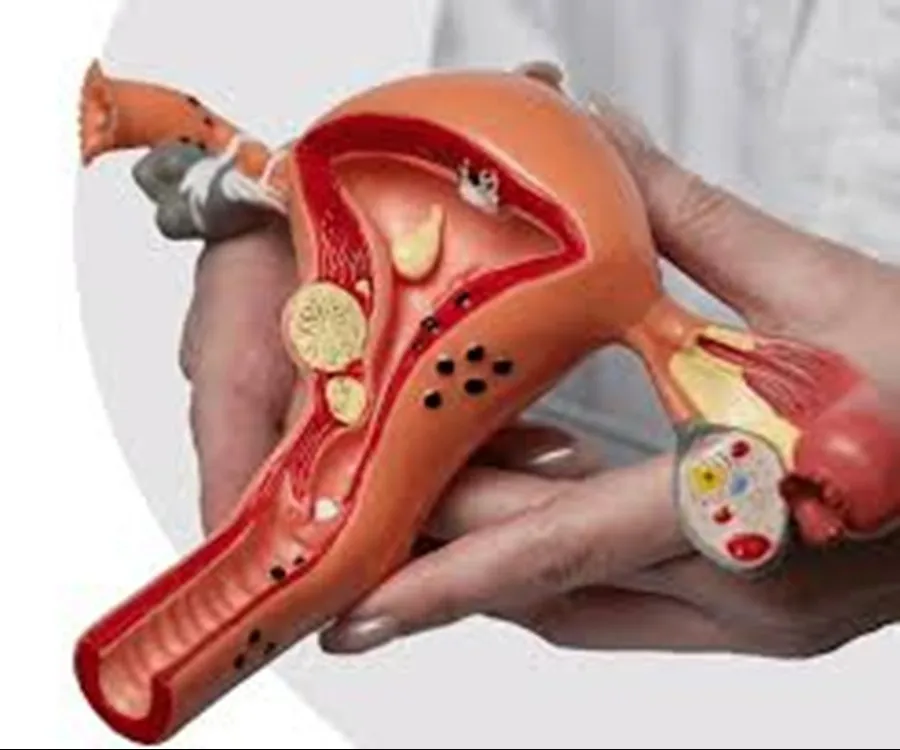
Heavy Bleeding Fibroid Specialist in Indore
Are you experiencing excessively heavy menstrual bleeding, prolonged bleeding, pelvic pressure, painful periods, or weakness during your periods? Heavy menstrual bleeding shouldn't always be considered a normal part of your cycle. Uterine fibroids can be a potential cause of heavy or prolonged bleeding and may also be associated with pelvic pain, pressure, bloating, or fertility issues.
If you're looking for a heavy bleeding fibroid specialist in Indore, Dr. Renu Sharma provides gynecological evaluations and personalized treatment for women with fibroids and abnormal uterine bleeding.
Dr. Renu Sharma is a gynecologist and gynecological oncology specialist with expertise in advanced laparoscopic and minimally invasive gynecological procedures. Her professional qualifications include an MBBS, MS in Obstetrics and Gynecology, FMAS, and fellowship training in gynecological oncology. Her approach focuses on understanding the cause of symptoms, determining the size and location of fibroids, considering the woman's age and reproductive plans, and discussing appropriate treatment options.
What are uterine fibroids?
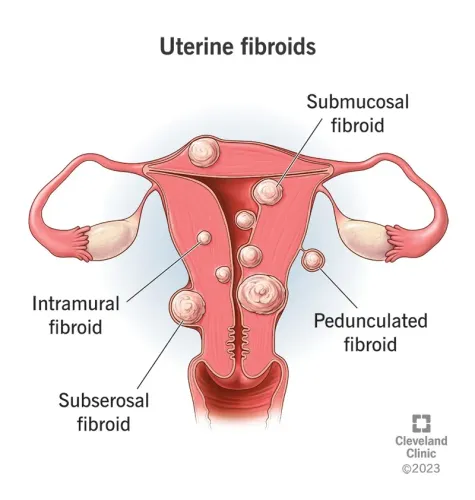
Uterine fibroids are growths that occur in or around the uterus. Most fibroids are benign, meaning they are not cancerous. However, depending on their size, number, and location, they can cause serious symptoms.
Some women with fibroids have no symptoms, while others may experience:
* Heavy menstrual bleeding
* Longer-than-normal periods
* Painful periods
* Pelvic pain or pressure
* Feeling of fullness in the lower abdomen
* Bloating
* Frequent urination
* Back discomfort
* Pain during intercourse
* Fertility concerns
Heavy bleeding is one of the symptoms that can significantly disrupt daily life and may contribute to iron deficiency anemia in some women.
Heavy Period Bleeding and Fibroids
There are many causes of heavy menstrual bleeding, and fibroids are just one.
When fibroids affect the uterus, they can cause heavy or prolonged menstrual bleeding. Some women may find that their periods gradually become heavier, last longer, or require frequent sanitary product changes.
You should talk to a gynecologist about persistent or unusually heavy bleeding, especially if it's accompanied by:
Heavy Period Flow
If you're experiencing unusually heavy bleeding on a regular basis, a medical examination can help determine the possible cause.
Long Periods
Periods that last significantly longer than your normal pattern should not be ignored.
Weakness or Fatigue
Persistent blood loss can lead to anemia, which can cause fatigue, weakness, or lack of energy.
Pelvic Pressure or Pain
Large or well-located fibroids can sometimes cause pressure or discomfort in the pelvis. Difficulty performing daily activities
If menstrual bleeding is interfering with work, travel, sleep, exercise, or normal activities, it's wise to speak with a specialist.
Don't Ignore Excessive Bleeding
Excessive menstrual bleeding isn't something every woman should simply learn to live with.
If your periods have become heavier than before, or if you're experiencing bleeding that's affecting your quality of life, a gynecological assessment can help determine what's going on.
Fibroids may be the culprit, but other gynecological, hormonal, structural, or medical conditions can also cause abnormal uterine bleeding.
Therefore, a proper diagnosis is essential before deciding on treatment.
Heavy Bleeding Fibroid Specialist in Indore – Dr. Renu Sharma
Dr. Renu Sharma diagnoses and treats women with fibroids and menstrual disorders in Indore. Her professional profile includes experience in gynecology, minimally invasive surgery, hysteroscopy, laparoscopy, and gynecological oncology. Her fibroid care may include evaluation of:
* Symptoms and bleeding patterns
* Size of fibroids
* Number of fibroids
* Location of fibroids
* Age
* General health
* Hemoglobin or anemia concerns
* Fertility plans
* Previous treatments
* Other gynecological conditions
This information helps the doctor determine whether observation, medication, minimally invasive treatment, or surgery may be appropriate.
How are fibroids diagnosed?
Diagnosis begins with a complete medical history and gynecological examination.
Depending on your symptoms, your doctor may recommend the following tests:
Ultrasound
Ultrasound can help locate the uterus and identify fibroids, their approximate size, and location.
Blood Tests
If excessive bleeding occurs, blood tests may be recommended to rule out problems like anemia or other underlying medical conditions.
Hysteroscopy
Hysteroscopy allows the gynecologist to examine the inside of the uterus directly using a thin instrument inserted through the vagina and cervix. This can be useful when investigating abnormal uterine bleeding and certain conditions related to the uterine cavity.
Additional Imaging
In some cases, further imaging may be recommended based on symptoms and initial findings.
The appropriate tests depend on the individual patient and should be determined by the treating gynecologist.
Medical Treatment for Heavy Bleeding
For some women, medication may be considered to help control heavy menstrual bleeding or manage associated symptoms. The choice of medication depends on the individual's health, symptoms, reproductive plans, and medical history.
Medication should always be taken under proper medical supervision rather than self-administered.
Hysteroscopic Treatment for Selected Fibroids
Some fibroids that affect the inner cavity of the uterus may be suitable for hysteroscopic treatment.
Hysteroscopy can be used to examine the uterine cavity and, in some cases, treat certain abnormalities, such as fibroids or polyps.
Because not every fibroid is suitable for hysteroscopic treatment, it is important to determine its size and location.
Laparoscopic Fibroid Surgery
For appropriately selected patients, laparoscopic myomectomy may be considered to remove fibroids while preserving the uterus.
Laparoscopic surgery involves making small incisions in the abdomen rather than large incisions. Dr. Renu Sharma's professional profile includes advanced laparoscopic gynecological surgery, and her knowledge of fibroid treatment suggests laparoscopic myomectomy as a treatment option for appropriate cases. Whether laparoscopic surgery is appropriate depends on factors such as the size, number, and location of the fibroids, previous surgeries, overall health, and the surgeon's assessment.
Hysterectomy for severe or recurrent fibroid problems
Hysterectomy may be considered in some women, especially those with a family history of large, multiple, or symptomatic fibroids and who have completed their family history.
A hysterectomy removes the uterus and permanently eliminates menstrual bleeding, as periods cannot occur after the uterus is removed.
However, a hysterectomy is a major decision and not suitable for everyone. It should be chosen based on a detailed discussion between the patient and gynecologist regarding symptoms, health, age, fertility plans, and available options.
Dr. Renu Sharma's clinical practice includes minimally invasive and open gynecological surgical procedures, including hysterectomies when medically appropriate.
Why choose Dr. Renu Sharma for the treatment of fibroids and heavy bleeding?
When choosing a specialist for persistent heavy bleeding, it's important to consider experience, qualifications, treatment options, and communication. Dr. Renu Sharma's professional profile includes:
* MBBS
* MS in Obstetrics and Gynecology
* FMAS
* Fellowship in Gynecological Oncology
* Advanced laparoscopic surgical expertise
* Experience in hysteroscopy and minimally invasive gynecological procedures
* Patient-centered counseling and care
Her practice covers a wide range of gynecological conditions, including fibroids, menstrual problems, ovarian cysts, endometriosis, and other women's health issues.
Her expertise in gynecological oncology also provides essential specialist experience when there are any unusual or concerning uterine growths that require further evaluation.
When should you see a fibroid specialist?
Consider consulting a gynecologist if you experience:
* Frequent heavy periods
* Periods lasting longer than normal
* Large blood clots during periods
* Pelvic pain or pressure
* Increasing abdominal heaviness
* Persistent fatigue or weakness
* Signs of anemia
* Frequent urination with pelvic pressure
* Diagnosis of uterine fibroids
* Increasing size of fibroids
* Difficulty conceiving if fibroids are present
* Bleeding that interferes with daily life
If bleeding is excessive, you feel faint or very weak, have difficulty breathing, experience severe pelvic pain, or have other disturbing symptoms, seek medical help immediately instead of waiting for a regular appointment.
Frequently Asked Questions – Heavy Bleeding and Fibroids
1. Can fibroids cause heavy periods?
Yes. Fibroids can cause heavy or prolonged bleeding, depending on their size and location. However, there are many other causes of heavy bleeding, so proper diagnosis is essential.
2. When should I see a fibroid specialist?
If you experience frequent heavy periods, prolonged bleeding, pelvic pain or pressure, have been diagnosed with fibroids, symptoms related to anemia, or have fertility concerns, you should consult a specialist.
3. Can fibroids cause anemia?
Heavy menstrual bleeding associated with fibroids can cause anemia in some women. If bleeding is excessive, your doctor may recommend a blood test.
4. Do all fibroids require surgery?
No. Treatment depends on symptoms, fibroid characteristics, age, fertility plans, and other factors. Some fibroids can be medically monitored or managed, while others may require procedures or surgery.
5. Can fibroids be treated without removing the uterus? In some patients, uterus-sparing treatments such as myomectomy may be considered. This depends on the size, number, and location of the fibroids and the patient's condition.
6. What is laparoscopic myomectomy?
Laparoscopic myomectomy is a minimally invasive procedure used to remove selected uterine fibroids through small incisions in the abdomen while sparing the uterus.
7. Can hysteroscopy treat fibroids?
Hysteroscopy can be used to detect and, in some cases, treat fibroids located within the uterine cavity. Not all fibroids can be treated hysteroscopically.
8. Can women with fibroids become pregnant?
Many women with fibroids can become pregnant. However, some fibroids, depending on their location and size, may affect fertility or pregnancy. A personalized gynecological assessment is recommended.
9. Is a hysterectomy the only solution for severe fibroids?
No. Treatment options depend on each case. Medication, minimally invasive procedures, myomectomy, and other methods may be considered if necessary.
10. Can fibroids become cancerous?
Most uterine fibroids are benign. However, any unusual or suspicious lump in the uterus requires proper medical examination and not just assuming it is a common fibroid.
• Heavy Bleeding Fibroid Specialist in Indore
• Fibroid Specialist in Indore
• Fibroid Doctor in Indore
• Fibroid Treatment in Indore
• Uterine Fibroid Treatment in Indore
• Heavy Bleeding Treatment in Indore
• Heavy Periods Doctor in Indore
• Gynecologist for Heavy Bleeding in Indore
• Fibroid Surgeon in Indore
• Uterine Fibroid Specialist in Indore
• Dr. Renu Sharma Fibroid Specialist
• Dr. Renu Sharma Gynecologist Indore
• Best Fibroid Specialist in Indore for Heavy Bleeding
• Heavy Menstrual Bleeding Due to Fibroids Treatment in Indore
• Doctor for Heavy Periods and Fibroids in Indore
• Uterine Fibroid Doctor in Indore
• Heavy Periods Treatment by Gynecologist in Indore
• Fibroid Specialist Near Me in Indore
• Uterus Preserving Fibroid Treatment in Indore
• Fibroid Treatment Without Hysterectomy in Indore
• Gynecologist for Uterine Fibroids in Indore
• Doctor for Abnormal Uterine Bleeding in Indore
• Heavy Menstrual Bleeding
• Abnormal Uterine Bleeding
• Uterine Fibroids
• Fibroid Symptoms
• Fibroid Pain
• Prolonged Periods
• Heavy Periods
• Pelvic Pain
• Pelvic Pressure
• Laparoscopic Myomectomy
• Hysteroscopy
• Minimally Invasive Gynecological Surgery
• Fibroid Management
• Women's Health
• Gynecologist in Indore
• Laparoscopic Surgeon in Indore
Keywords